
How to start shooting analogue in 2026


Why film?
“Why are you shooting film? It seems so inconvenient.” - Well, yes, that’s actually the whole point! It is inconvenient, compared to digital, but that “inconvenience” is part of the joy. I think that’s why 2026 is the year of analogue - a lot of us are longing to slow down, being more present in the moment, and doing things that require focus, attention and patience instead of endless scrolling, subscriptions and access to everything.
After working as a photographer full time for the past 13 years, I started feeling disconnected from the process - I would still enjoy photography but I felt like there was a big hurdle to get over each time I picked up the camera. Then there was the overshooting and looking through thousands of images and editing them after. I simply wanted to feel connected to photography again, just for the joy of it (which is why I started in the first place) and I also saw it as a bit of a challenge. Film has really taught me to be slower and more mindful of what and how I shoot. Somehow to me, 36 images feels like a lot when I’m shooting film and when I manage to get a good shot, I feel so much happier with it. The delayed gratification of waiting for your images and then getting scans back is absolutely priceless!


Pentax MX - Kodak Gold 200
How i started
I’d thought about shooting film again for years, but I wasn’t sure where to start. I had several old cameras, but I didn’t know if any of them were working or what to look for when testing them. I didn’t want to shoot a roll only to have nothing come out, so I figured I’d make it as easy as possible to get started.
In the summer of 2024, I decided to buy a simple, used SLR from a camera shop - a Pentax MX fitted with a 50mm f/1.7 lens. I chose this one because I used to shoot with a Pentax in high school. At the time, I didn’t really know what features I wanted in a camera, but it seemed like a good choice - a fully mechanical camera, meaning it can operate without a battery. The shutter will still work, though the built-in light meter won’t.
Above are some photos shot with the Pentax MX from my first few rolls of Kodak Gold 200. I’ve had some issues with this camera as the film tends to get stuck halfway through the roll - but on the upside, that’s how I unintentionally discovered my love for double and multiple exposures.
I’ve since moved on to shooting mostly Nikon, though I’ve had some bad luck with my cameras. I got a Nikon F3 and a Nikon EM, both of which developed issues. About ten months ago, I bought a Nikon FM, which quickly became my favorite but just a few days ago, the shutter jammed. Now I’m shooting with a Nikon FE, and I’m currently waiting to get my first rolls back from the lab.
I wanted to share what I’ve learned so far on this journey, so here are some tips from an amateur film photographer!
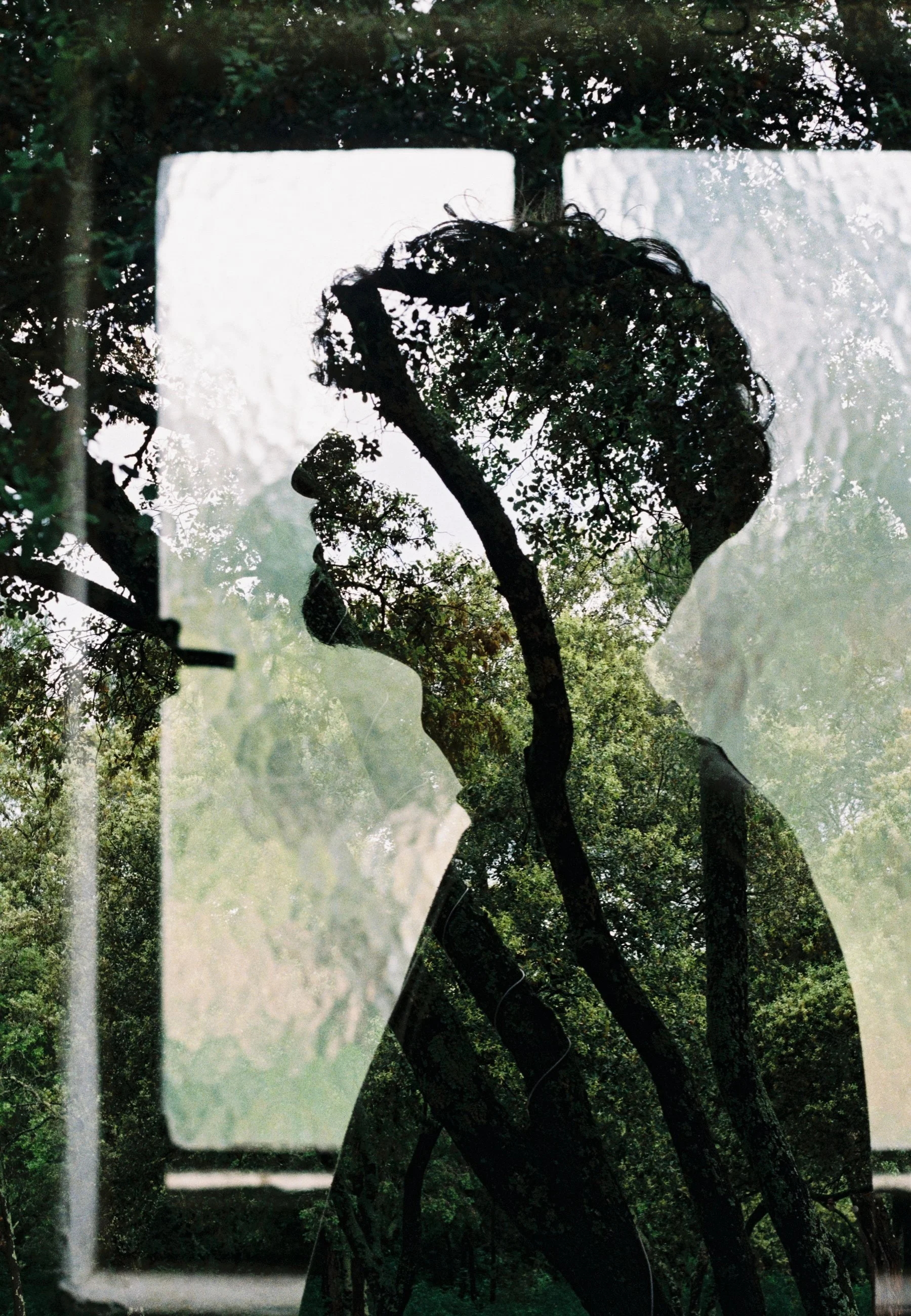
Double exposure with Nikon FM - Fujifilm 200
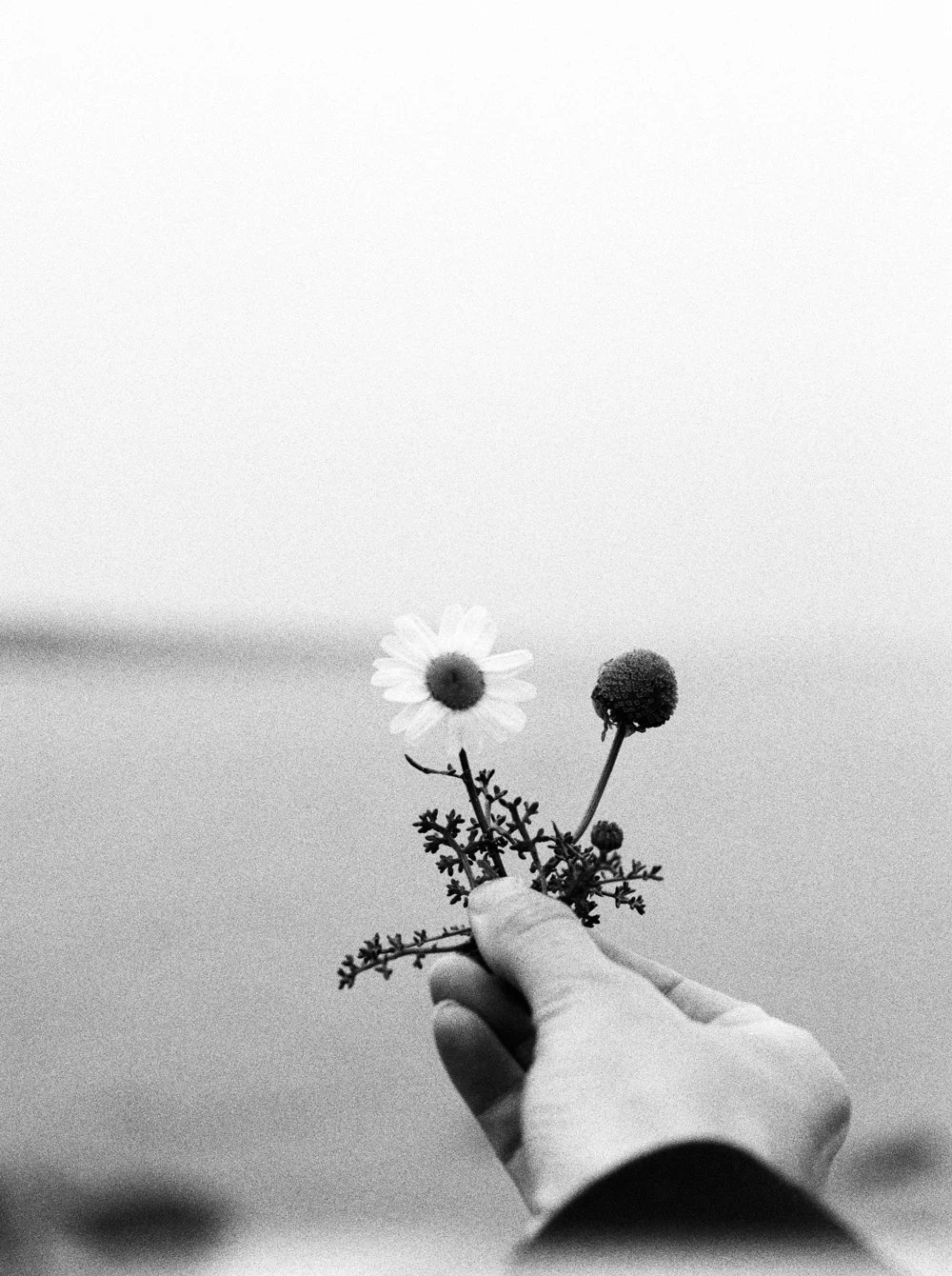
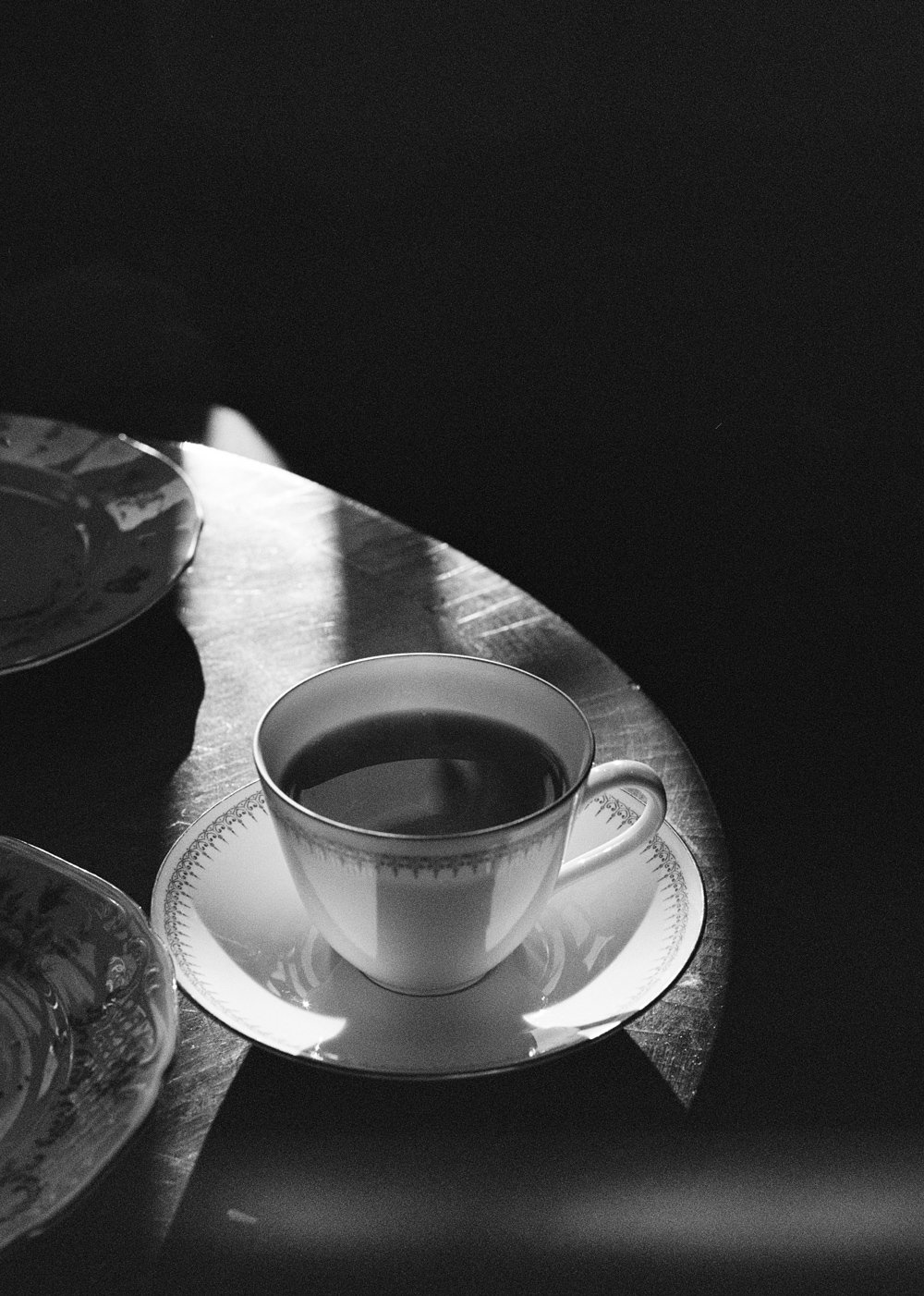
Nikon EM - Kodak T-max 400 (left) and Ilford xp2 super 400 (right)
Choosing a camera and lens
This was probably the hardest part for me when starting out.
There are a few common types of film cameras you’ll come across:
SLR (Single-Lens Reflex)
This is the most common type of film camera. What you see in the viewfinder is exactly what the lens sees. SLRs usually let you control settings like focus, aperture, and shutter speed, and you can change lenses. If you’re coming from digital photography like me, this type will likely feel the most familiar.
Rangefinder
Rangefinders are often smaller and quieter than SLRs, but focusing works differently. You don’t look directly through the lens when focusing, which can take some getting used to.
Point-and-shoot
These are the simplest cameras to use. You just point the camera and press the shutter button, and it handles focus and exposure for you. They’re great for simplicity and ease of use, but you don’t have much control over the final image. If you want to do quick snapshots, this is your best option.
When choosing a camera, think about how much control you want. Some cameras let you do things like double exposures, use aperture priority, or rely on a built-in light meter. I’ve tried all types, and personally I prefer SLRs because I like having more control over focus and exposure. I inherited a point-and-shoot (an Olympus Mju I) from my mother and it’s really small and handy to bring on trips, I don’t enjoy the process or the images as much as those from my SLRs.
The features that matter most to me are a (working) built-in light meter, a self-timer, and the option to do double exposures. I also like being able to change lenses, which is another reason I usually choose an SLR. That said, having fewer options can sometimes be fun and help with creativity. You won’t really know what you prefer until you try!
When it comes to lenses, compatibility can be confusing at first. Different cameras use different lens mounts, so it’s important to check before buying. I’ve found Ken Rockwell’s site really helpful for making sure a lens will fit and work with my camera. A lot of the times you can find cameras already fitted with a lens. I mostly shoot with a 50mm lens, which is a great starting point in my opinion.
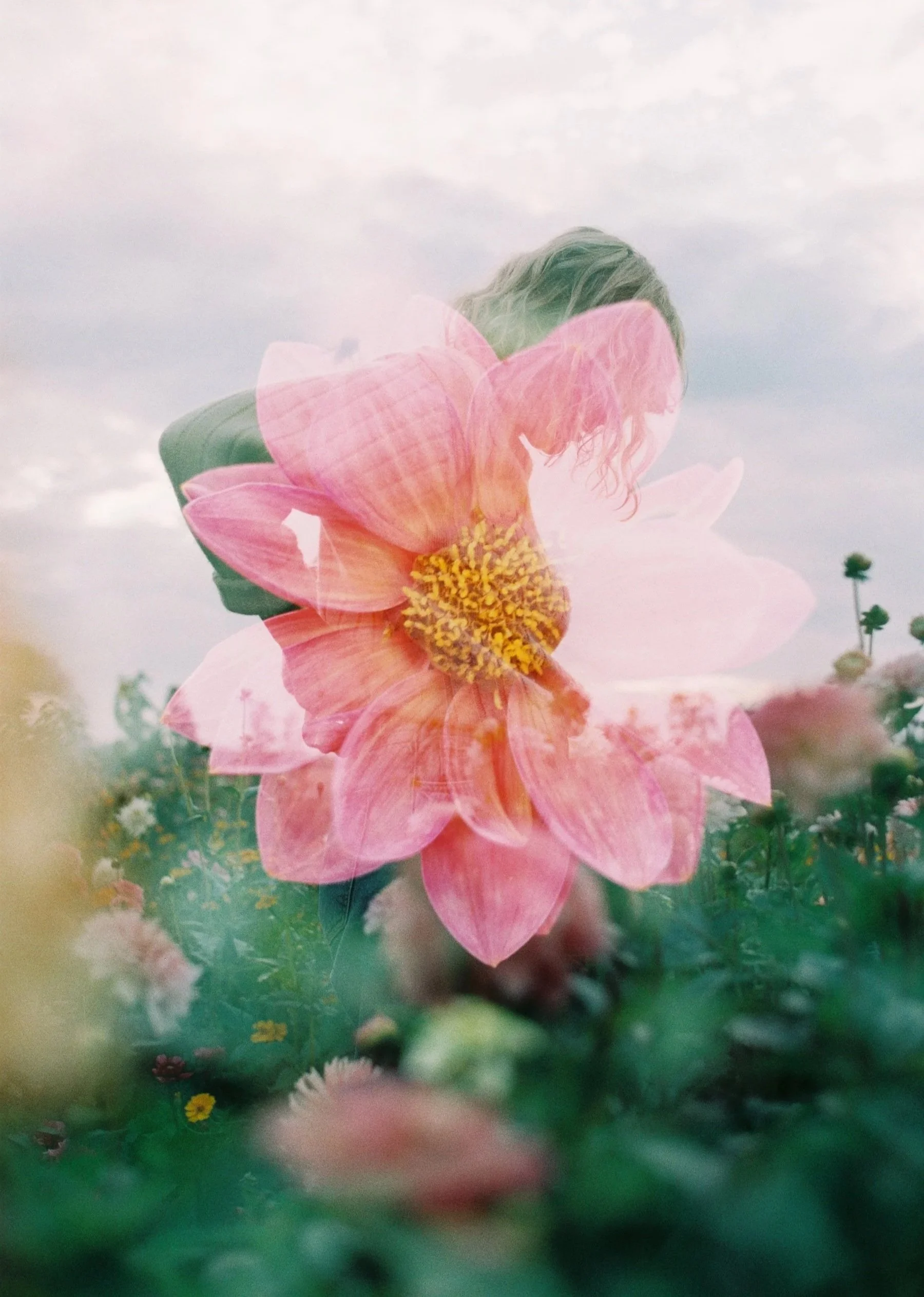
Nikon FM - Fuji Superia 200 (expired in 2013 - shot at ISO 50)

Olympus Trip 35 - Kodak Ultramax 400
Where to buy a camera
You can often find old cameras at thrift shops for very cheap, but if you don’t know what to look for, you might end up spending a lot of money on repairs or shooting rolls that don’t turn out. Since I had no idea what to look for, I decided to buy mine from a camera shop that sells old and used cameras. These shops usually test the camera to make sure it functions properly, though they normally don’t test it with film. Where I bought mine, I was given a couple of months’ warranty, which gave me time to shoot a test roll and have it developed. That said, I’ve still had issues show up months later, so this isn’t a completely risk-free option - it’s just a risk you have to be willing to take when shooting with old cameras. If you find one in a thrift shop it might be worth the risk anyway!


Nikon FM - Lomochrome Purple (shot at ISO 400)
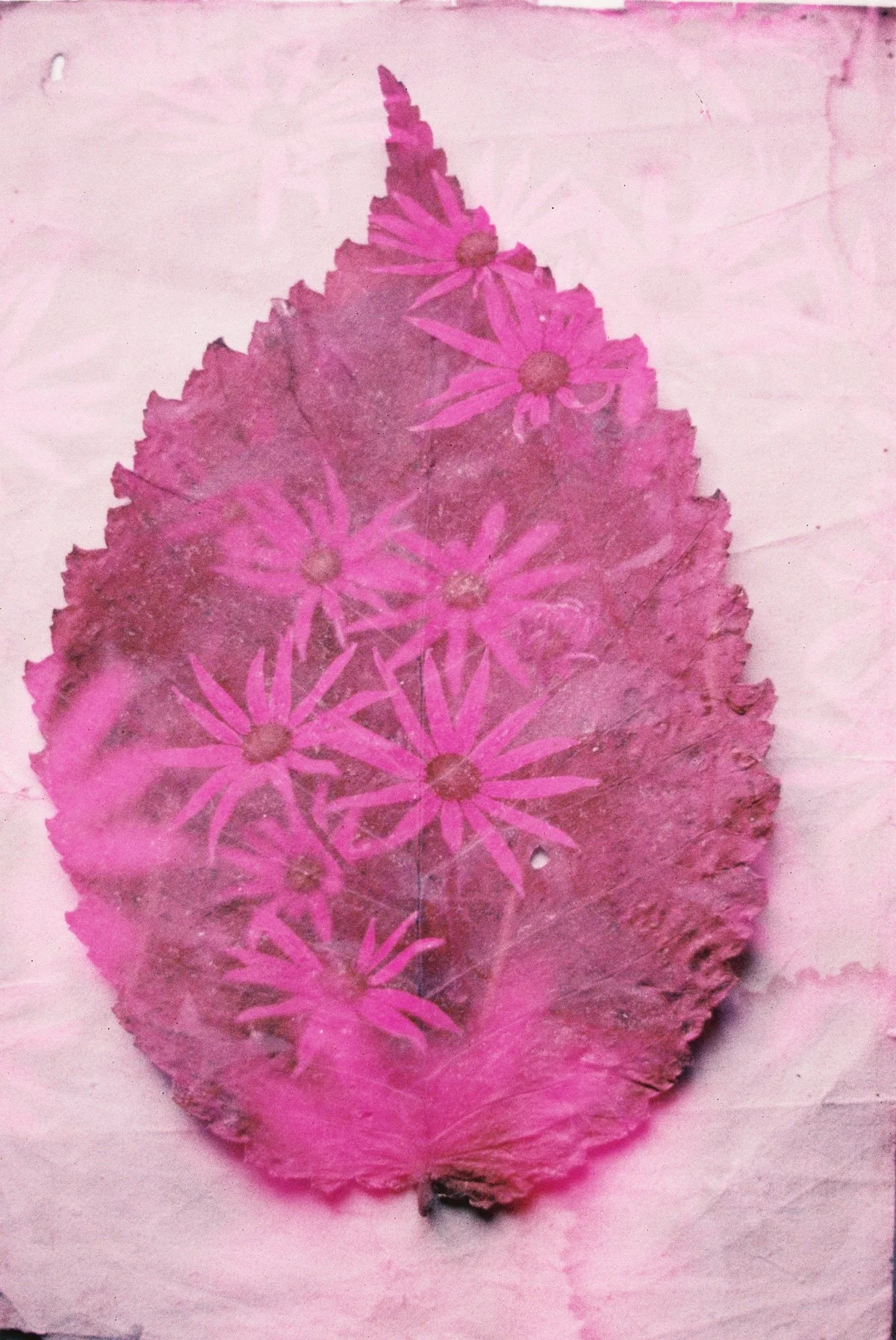
Nikon FM - Lomochrome Purple (shot at ISO 200)
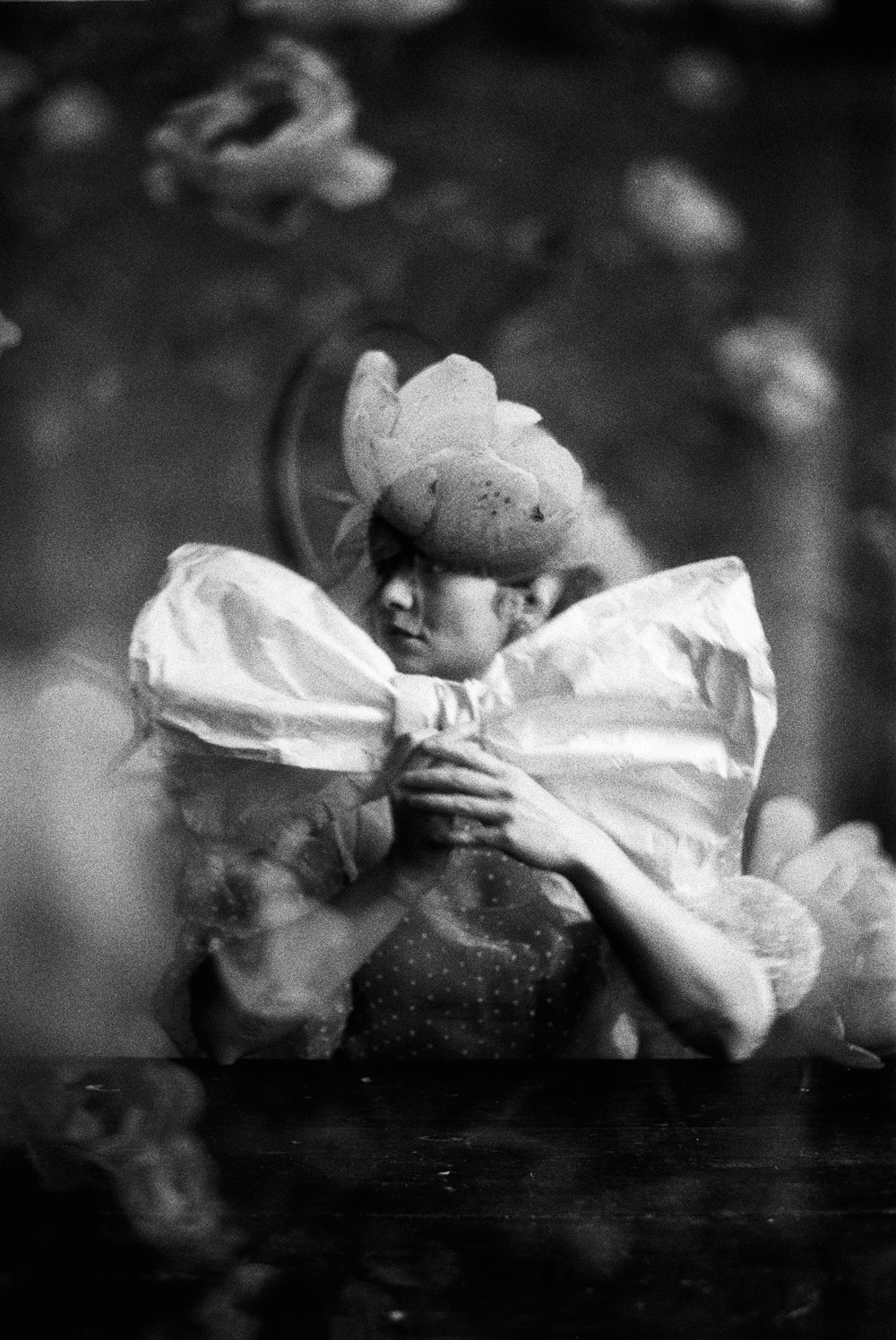
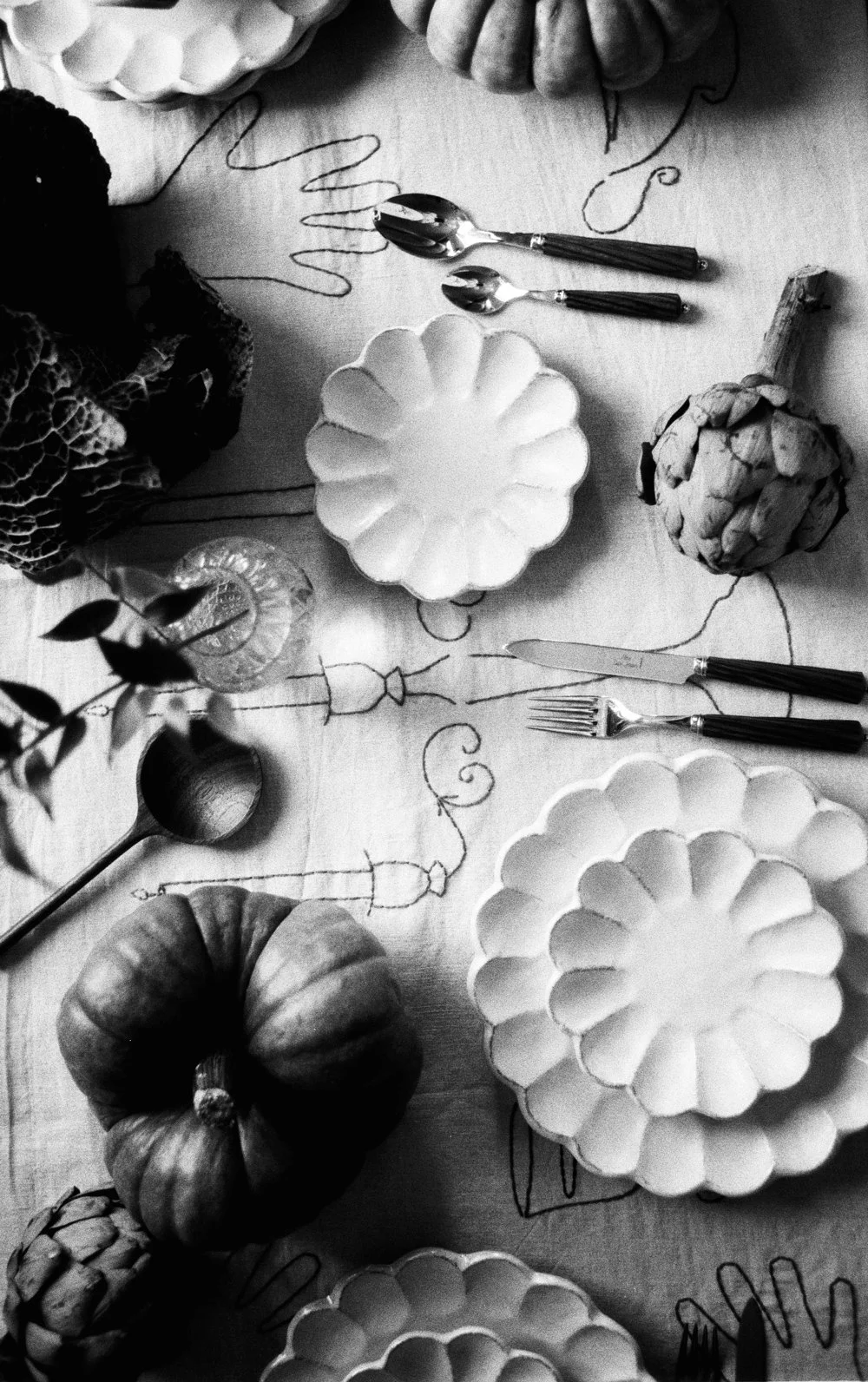
Nikon FM - Kentmere Pan 200

Yashica EM (Medium format camera using 120 film) - Ilford xp2 super 400
Choosing film
For me, experimenting with different film stocks has been one of the biggest pleasures!
First, you have to choose the right film format for your camera, which will most likely be 135 film (more commonly known as 35mm film). Rolls usually come with 24 or 36 frames. I started with Kodak Gold 200 and Kodak Ultramax 400, which are both reasonably priced, as are Fujifilm 200 and 400 and Kodak ColorPlus 200. A higher ISO will give you more grain, but it’s also easier to shoot in low-light situations. Ilford HP5 is a good place to start for b&w.
I wouldn’t recommend starting with 120 film, since you get so few frames per roll - my Yashica only gives me 12 frames per roll and it’s not cheap to have developed and scanned. That said, the images come out incredibly sharp and beautiful.
The films I’m enjoying the most at the moment are Lomochrome Purple (ISO 100-400) and Cinestill 400d for colour, and Kentmere Pan 200 for black and white. I also shoot Ilford xp2 super 400 often, because it’s developed with the same process as colour film (C 41 process), so it’s a lot quicker for my lab to develop it!
To see more examples of what a film looks like (though it can vary a lot, especially depending on the scan), I usually look through hashtags on Instagram to see what results people are getting.

Nikon FM - Ilford xp2 super 400
Developing & scanning
I picked a random lab (basically the first one I found on google) to develop and scan my first two rolls, and I wasn’t happy with the results, so I tried another one and have stuck with them ever since (Götaplatsens Foto in Gothenburg). You may have to try a few before finding the right fit. The good news is that when you have your negatives, you can always get them re-scanned by another lab, or even yourself if you’re up for it!
If you’re in a small city like me, you can send your rolls by post to a lab in a bigger city (but make sure they accept it first though) - it’s always a risk that they could get lost in the mail, and you’ll have to pay for shipping the negatives back to you. If you can find a good local lab that is the best option. Check developing times and costs - in Sweden, black and white rolls usually take longer to develop than colour rolls because they’re not developed “in house”.
You can of course also develop and scan by yourself! I haven’t gotten there just yet but I’ll try to develop black and white film and see how I like it and if it’s worth spending time on. For now, I really enjoy the shooting - and getting development and scanning done by a professional, especially since I’m already tired of spending so much time editing.


Nikon FM - Cinestill 400D
General tips that have helped me
-Develop your first roll as soon as possible. This helps you check whether the camera is actually working properly.
-When in doubt, check Youtube! There are tutorials for almost every camera model and film-related problem you can think of. I looked at videos on how to operate all my cameras, how to load film and just about every step of the process.
-Watch the film winder. When you advance the film, keep an eye on the rewind knob to see if it moves. It doesn’t have to turn every single time, but if it never moves, the film probably isn’t advancing as it should or wasn’t loaded correctly. This would happen a lot with my Pentax MX.
-Don’t forget to set your ISO/ASA. Always adjust it when you load a new roll of film so your light meter gives accurate readings. This is easy to forget!
-Film behaves differently than digital. Coming from digital, I was used to always underexposing. With negative film especially, it’s often better to slightly overexpose than to underexpose. Underexposing can lead to muddy shadows and loss of detail.


Double exposures with Nikon FM - Kodak Ektar 100
Final thoughts
Film photography has been a wonderful way to reconnect with my love for photography. Every roll teaches me something new. I won’t stop shooting digitally, and it’s not that digital is bad - I just needed to feel more intentional, and shooting film just feels different. If you found this interesting or helpful in any way, I’d love it if you’d leave a comment below! My hope is to write more about my film experiments, my thoughts about the process, trying new films, double exposures.. let’s see! Either way, I’m just happy I found a something I truly enjoy writing about.
You can follow my analogue journey on Instagram!